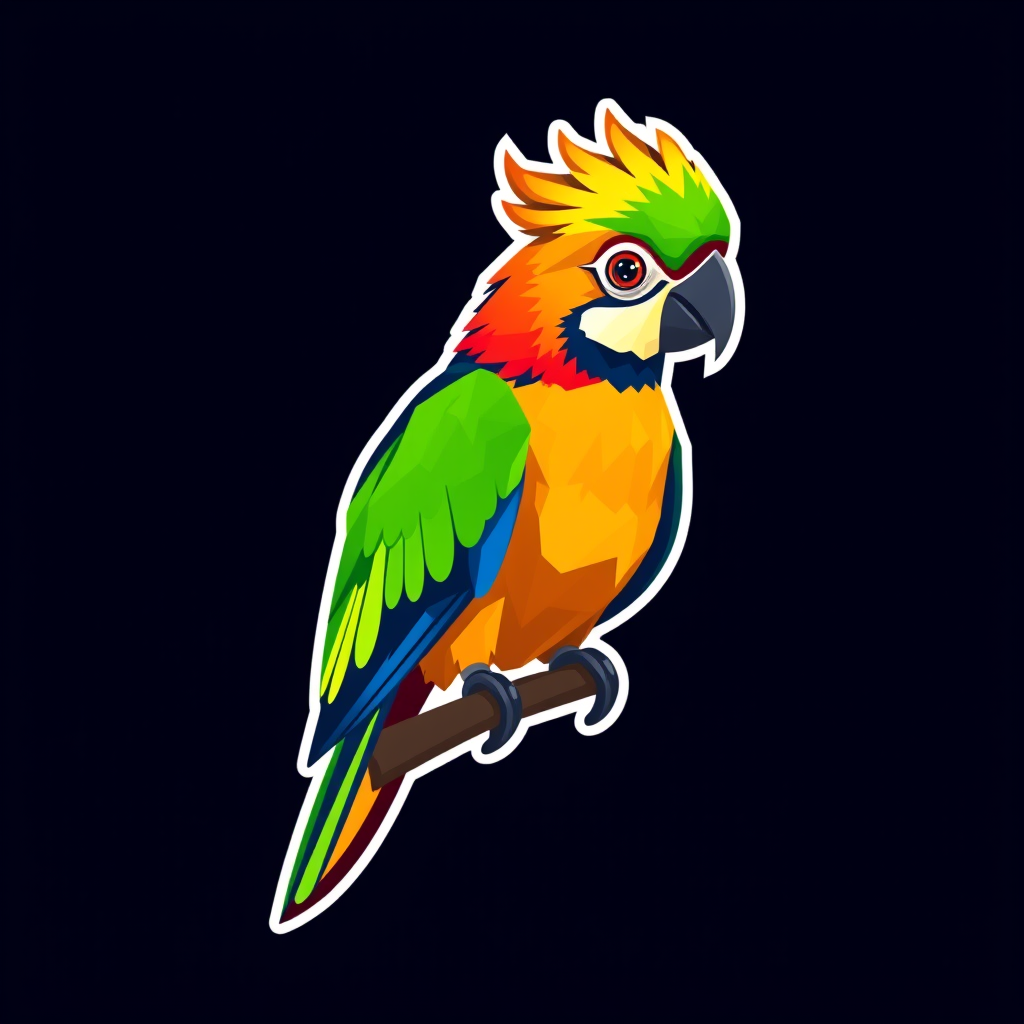


Description
Taxonomy and Nomenclature
- Scientific Name: Psittacula himalayana
- Common Names: Slaty-Headed Parakeet
- Family: Psittaculidae
- Named After: The slate-grey coloration of the head, which distinguishes this species from other parakeets.
2. Physical Description
- Size: Medium-sized parakeet, measuring 40 cm (16 inches) in length, including the tail.
- Weight: Approximately 100–125 grams.
- Plumage:
- Slate-grey head in adults.
- Bright green body.
- Bluish-green rump and yellow-tipped tail feathers.
- Distinctive Features:
- Beak: Coral-red upper mandible and a pale lower mandible.
- Eyes: Pale yellow, providing a striking contrast to their darker head.
- Tail: Long and tapered, with vibrant blue and green hues.
3. Natural Habitat and Distribution
- Native Range: Found in the Himalayan regions, including northern India, Bhutan, Nepal, and parts of Tibet.
- Habitat: Prefers forested areas, wooded valleys, and open fields at elevations ranging from 500 to 2500 meters.
4. Behavior and Diet
- Social Structure: Generally seen in pairs or small flocks; larger gatherings occur during feeding.
- Vocalization: Soft chirps and melodic calls, less harsh compared to other parakeets.
- Diet:
- Wild Diet: Fruits, seeds, nuts, berries, and flower nectar.
- Captivity Diet: A variety of fresh fruits (e.g., guava, apple), vegetables, high-quality pellets, and occasional nuts.
5. Lifespan and Reproduction
- Lifespan: 20–25 years with proper care.
- Breeding:
- Season: Breeds from March to May in their native range.
- Nesting: Nests in tree cavities or artificial nest boxes.
- Clutch Size: 3–4 eggs per clutch.
- Incubation: Eggs are incubated for about 23–26 days.
6. Talking Ability
- Clarity: Capable of mimicking human speech with moderate clarity.
- Vocabulary: Can learn a small set of words and phrases but are less vocal compared to other parakeet species.
7. Suitability as Pets
Require a balanced diet and regular exercise to stay healthy.
Care Requirements:
Require a spacious cage or aviary with opportunities for flying and climbing.
Need mental stimulation through toys and interaction.
Personality: Calm, gentle, and less noisy than other parakeets. They enjoy social interaction but are not overly demanding.
Considerations:
Suitable for intermediate bird owners who can provide attention and care.
 vicaviary