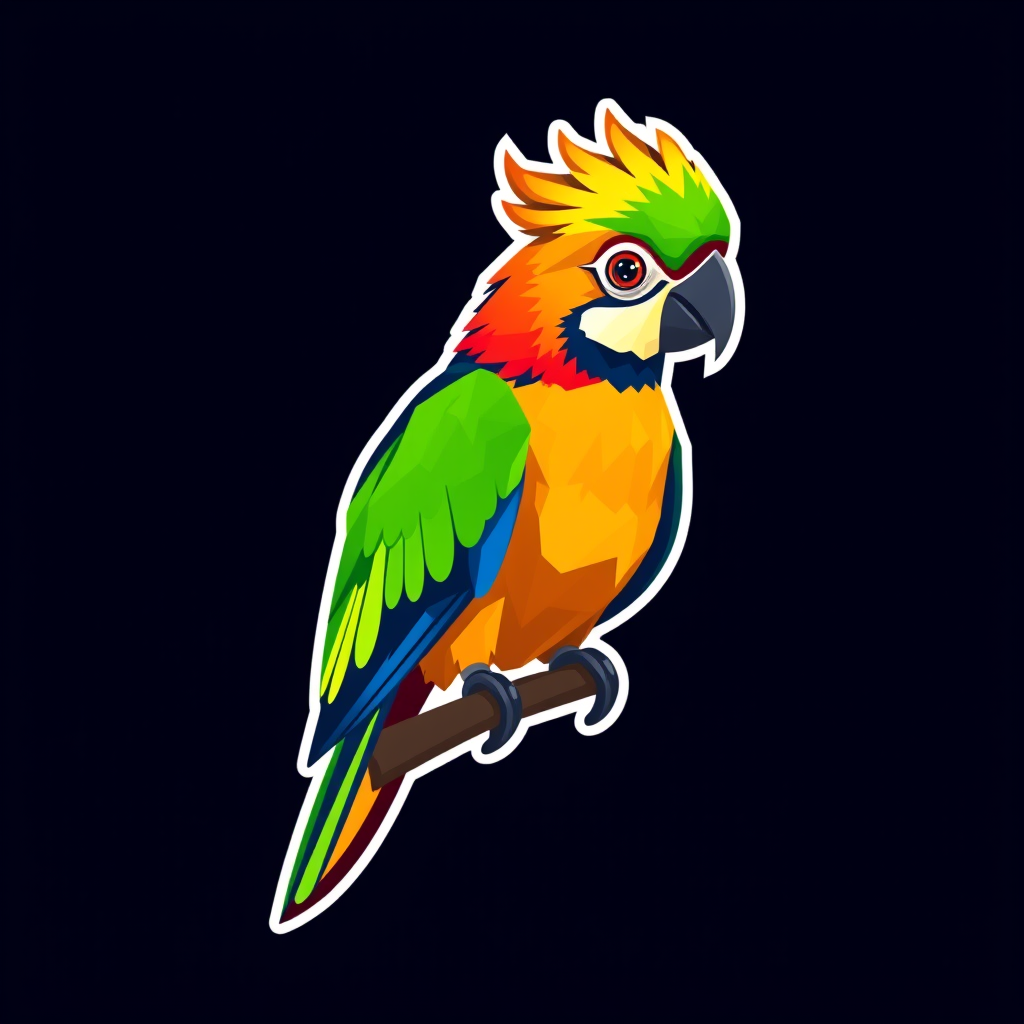


Description
1. Taxonomy and Nomenclature
- Scientific Name: Psittacula cyanocephala
- Common Names: Plum-headed Parakeet
- Family: Psittaculidae
- Named After: The distinctive plum-colored head in males, which gives the species its name.
2. Physical Description
- Size: Small to medium-sized parakeet, measuring 33 cm (13 inches) in length, including the tail.
- Weight: Approximately 75–90 grams.
- Plumage:
- Males: Bright plum-colored head, green body, bluish-green back, and yellowish underside.
- Females: Bluish-grey head with a less vibrant overall coloration.
- Both sexes have a distinct black neck ring and a pale yellow tip on the tail.
- Distinctive Features:
- Beak: Red upper mandible and a pale yellow lower mandible in males; females’ beaks are paler.
- Tail: Long, pointed, and colorful, with shades of blue and green.
3. Natural Habitat and Distribution
- Native Range: Found across the Indian subcontinent, including India, Nepal, Bhutan, Bangladesh, and Sri Lanka.
- Habitat: Prefers light woodlands, open forests, cultivated areas, and urban gardens. Often seen in lower altitudes but can adapt to hilly regions up to 1,500 meters.
4. Behavior and Diet
- Social Structure: Typically seen in small flocks but can gather in larger groups during feeding.
- Vocalization: Known for melodious, high-pitched chirps and whistles.
- Diet:
- Wild Diet: Fruits, seeds, nuts, berries, and blossoms.
- Captivity Diet: A mix of high-quality pellets, fresh fruits (e.g., guava, mango), vegetables, and occasional seeds.
5. Lifespan and Reproduction
- Lifespan: 20–25 years with proper care.
- Breeding:
- Season: Breeds during the dry season, typically from December to April.
- Nesting: Nests in tree cavities or artificial nest boxes.
- Clutch Size: 4–6 eggs per clutch.
- Incubation: Eggs are incubated for about 21–23 days.
6. Talking Ability
- Clarity: Their speech is moderately clear but not as refined as larger parrots.
- Vocabulary: They can learn a small repertoire of words and short phrases.
7. Suitability as Pets
Considerations: They require dedicated care, including a balanced diet and ample mental stimulation to prevent boredom.
Care Requirements:
Require medium-sized cages with plenty of perches and toys for mental stimulation.
Thrive with regular interaction and socialization.
Personality: Gentle, playful, and affectionate. They are less noisy compared to other parakeet species, making them suitable for quieter households.
 vicaviary